“I got my peaches out in Georgia…I get my weed from California,” sings pop megastar Justin Bieber on his most recent hit song, playing on every radio station in the country.
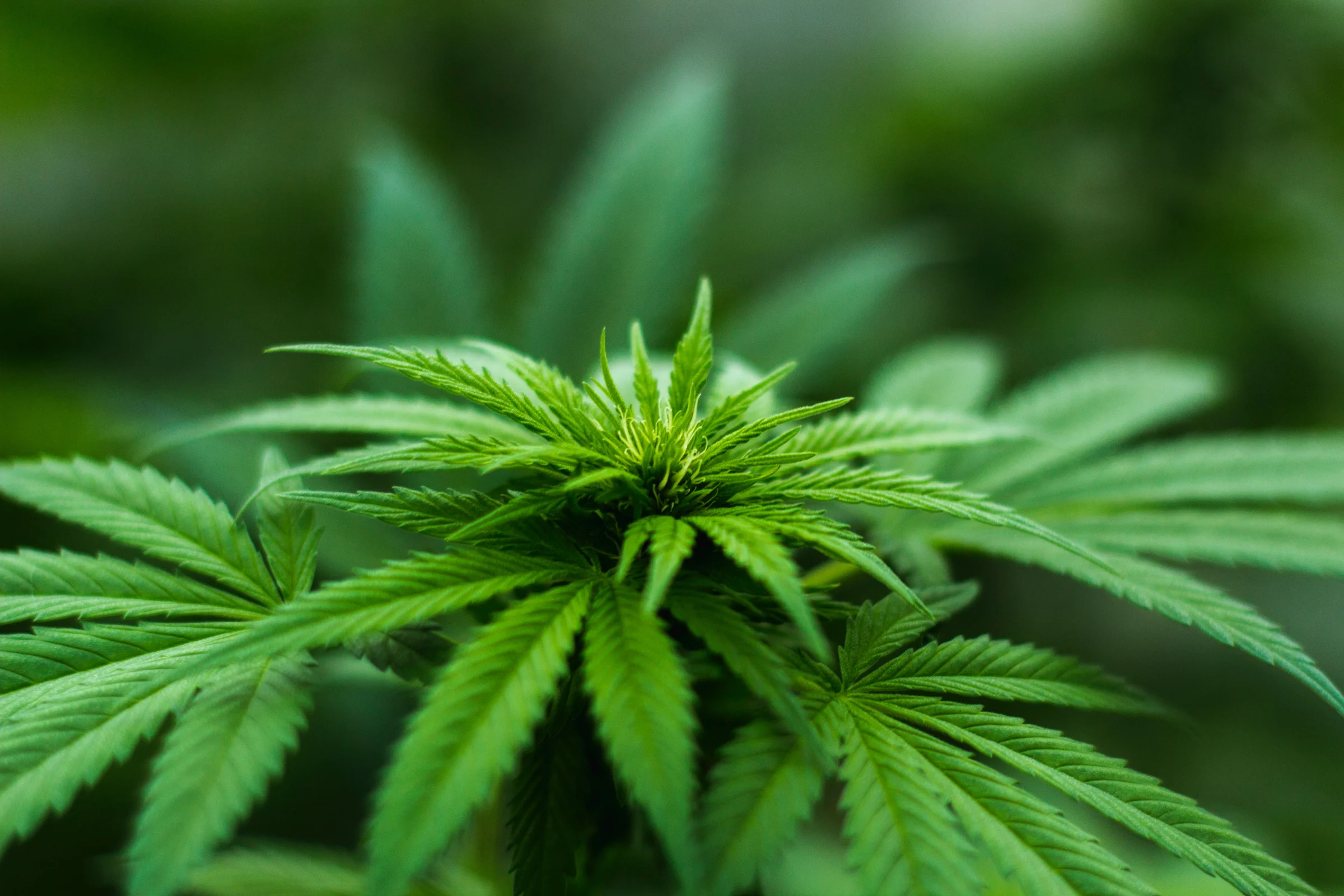
Cannabis and its derivatives are known by many different names: “Marijuana”, “Weed”, “Hash”, “Ganja”, “Grass”, “Broccoli”, “Mary Jane / MJ”, “Wax”, “Dab”, “Shatter”, “Bud”…the list goes on. Whether it’s being preached about in the Senate by legalize-it-advocates, being sung about by Dave Matthews, or being chuckled about in the Cheech and Chong movies, the normalization of cannabis use and its unusually fervent culture of promoters is nothing new.
Since as far back as the 1920s, it has been a hot topic of conversation, celebration (for some), and debate. Both sides of the debate have surprisingly ample amounts of scientific research to support their views on the matter, which complicates the decision the reader must make on how to feel about it.
Often, the reader will hear positive messages from certain celebrities and/or media outlets about research that supports cannabis for medicinal use to treat anxiety, depression, and chronic pain. Recently, folks involved in the “California Sober” movement have even begun advocating for cannabis as a replacement substance to use instead of “harder” substances such as opioids like pain pills and heroin.
The Willow Center cannot refute some of the research that supports cannabis use to temporarily treat anxiety, depression, and chronic pain. And of course, cannabis indeed has less severe immediate effects on a person than substances such as pain pills and heroin. However, many celebrities and/or media outlets are not sharing (nor are they paying any attention to) the entire other body of research that suggests cannabis use may do more harm to us than good.
To start with, the cannabis being grown, manufactured, and used today is approximately 8% more potent than it’s originator plants in the 1990s according to a research study in 2016 supported by the National Institute on Drug Abuse (NIDA), National Institute of Health (NIH), and the Department of Health and Human Services (Mahmoud A. ElSohly, Ph.D. et. Al.). Higher potency is based upon a higher-level of THC found in the product, the psychoactive ingredient of cannabis.
According to the Substance Abuse and Mental Health Administration, 18-25 year-olds are the largest demographic currently using cannabis, many of them on a daily basis. Approximately 1 in 10 folks who start using cannabis regularly will become addicted to it, contrary to popular belief. The addictiveness increases to 1 in 6 individuals if use starts before the age of 18. Cannabis is typically smoked, however edibles and vaped THC are growing in popularity.
Furthermore, multiple research studies have shown that long-term, regular cannabis use can lead to negative psychological and physical outcomes, including but not limited to: increased paranoia and anxiety, increased depression frequency, increased risk of psychosis and schizophrenia development (dependent upon genetic predisposition), decreased IQ and functional intelligence, chronic cough and bronchitis, poor athletic performance and impaired coordination of motor functions (necessary for activities such as driving), and increased risk of developing other substance use disorders and addictions.
Unfortunately, this negative data is being brushed aside, and the greatest risks are posed to the youngest users. What if we, as a society, decided to believe in ourselves and each other enough to provide the necessary supports when we’re experiencing stress, so that substances were no longer the easiest choice to cope? Is cannabis “safer” than other substances, yes. But, is it “safe” overall, in the long term? The reader must decide.
-Written by Chase Cotten, Executive Director
References
https://www.ncbi.nlm.nih.gov/pmc/articles/PMC4987131/
https://www.samhsa.gov/marijuana
https://www.drugabuse.gov/publications/research-reports/marijuana/there-link-between-marijuana-use-psychiatric-disorders