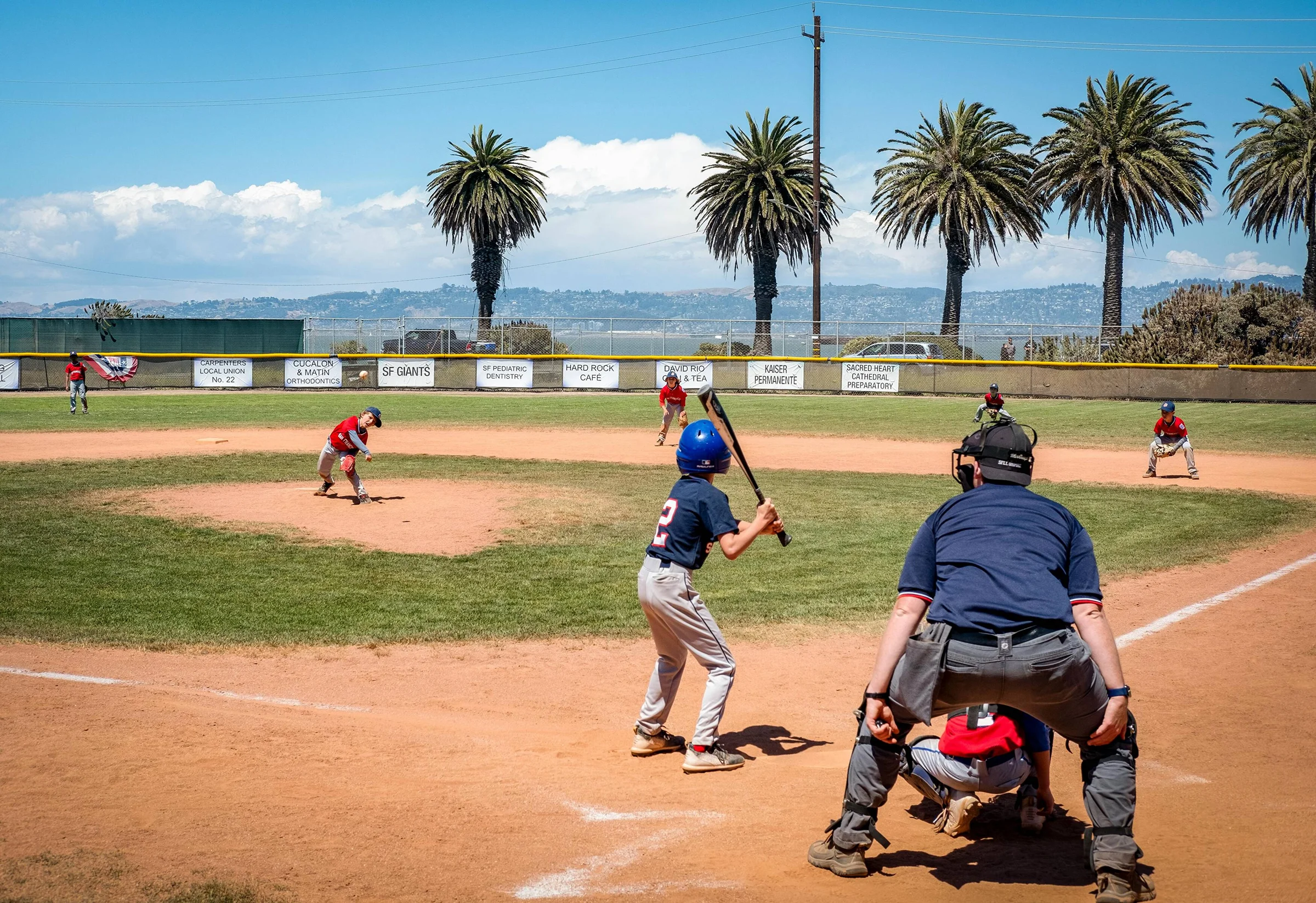
When I was in middle school way back in the day, I was playing on a local little-league baseball team. There were four teams for the small-town league, and we all practiced at the same diamond at the local park, sometimes on the same nights.
On one such night, the rival team was practicing the hour right after my team finished practice. My parents were running late, so I had time to kill and decided to watch the other team practice along with a few of my teammates. If you know anything about unsupervised middle school-aged boys, you know already we were up to no good.
See, we weren’t just “watching” the rival team practice – we were jeering, sneering, cussing, and booing in a loud chorus of raucous sideline taunts and laughter. Our coaches had already left for the evening, and our parents weren’t there yet, so we thought we could get away with anything. The rival team’s coaches didn’t necessarily agree with that assessment!
Although I felt a little bit pulled in two directions in the moment, I knew I was doing wrong and did it anyway, because I thought no one (who mattered) was watching. The rival coaches confronted us, and told us we were out of line. They asked us to leave, and threatened to call our parents, or the cops, if we didn’t. I chose to start walking toward home shortly after that, but my teammates stuck around and apparently didn’t let up.
Later that evening, about 2 hours after my dad picked me up (whom I didn’t say a word to about all of this), there was a firm knock at our front door. A friendly, but annoyed, police officer explained to my dad the whole situation, and informed him that two of my teammates had been taken home by the officers, and that I had been reported as an accomplice to the bad behavior. I was in trouble!
There were no legal consequences, thankfully, but I was immediately grounded. My mom and dad went the extra mile, though, and required me to attend the rival team’s practice the next day, stand in front of the whole team and coaches, and verbally apologize to them for my antagonizing. I did so, crying through my childish embarrassment. Forgiveness was received, but I learned what “integrity” means the hard way that week.
Integrity is often defined as doing the right thing when nobody is watching. I’ve taken this lesson to heart as an adult, and do my best to practice it as a core value. However, there are still tests from time to time. Opportunities to be unkind, dishonest, or wasteful when nobody is looking over my shoulder abound, and I must choose every moment to do the right thing.
As it relates to our mental health and recovery journeys, integrity plays a key role. Depression and anxiety can seriously impede our decision-making skills under stress. Cravings to drink or use a substance can seriously ruin our chances of doing right. Sometimes, being a person of integrity takes the prodding and support of loving help – whether it’s one’s parents, or it’s one’s therapist. If you need some extra support today, please consider calling The Willow Center at 317-852-3690.
Written by Chase Cotten, Community Director