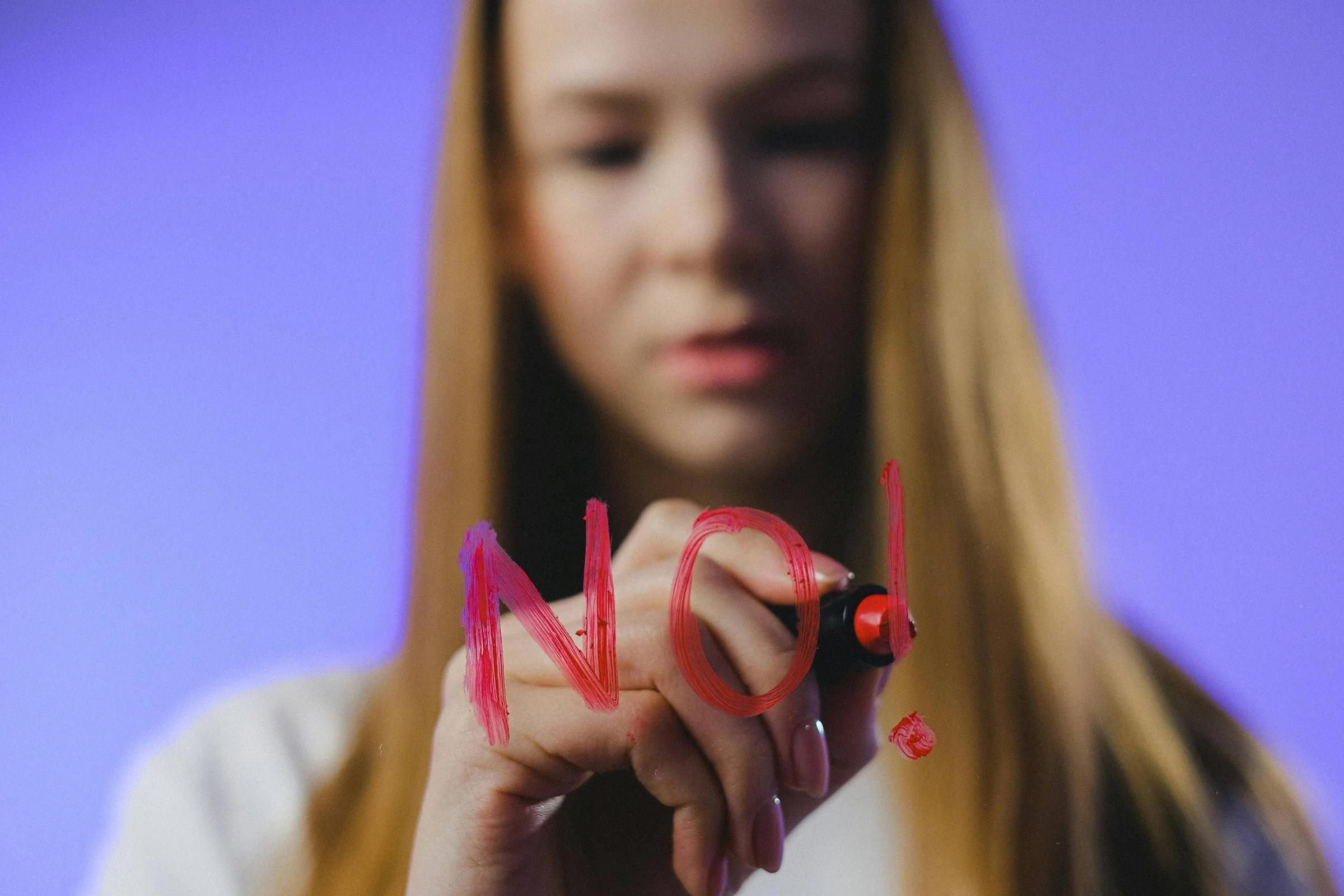
“’No’ is a complete sentence,” says author and advocate, Anne Lamott.
However, it’s a sentence most of us are rather uncomfortable utilizing as much as we should. At the core of learning how to set healthy boundaries in our wellness journeys is learning how to say “no” when it matters most.
Saying “no” can be helpful in smaller every-day contexts, and it can be life-saving in bigger health and safety contexts. For example:
- A person who is habitually working 60 hours per week instead of their scheduled 40 must practice saying “no” to the extra projects and responsibilities interfering with their opportunity to rest and recuperate.
- A person who is on three or four nonprofit boards, volunteers at their place of worship, and serves as backup coach on their kid’s little league team must practice saying “no” to additional opportunities to give-back, despite how good it feels to give-back, before they burnout.
- A person who is early in their long-term recovery journey must learn to say “no” to alcohol and other drugs, and “no” to the people, places, and things that put them at risk of using.
- A person who is being supported to break free from an abusive relationship must learn to say “no” to any and all forms of communication from the abuser.
Saying “no” can create the brain-space you need to reflect on what’s next. Saying “no” can ensure you have time to spend with your friends and family. Saying “no” can prevent harmful interactions and hurtful situations. Saying “no” lighten the weight on your shoulders – and maybe even the weight on somebody else’s.
What do you need to say “no” to in your life? Take a moment to consider your relationships, activities, work load, and other responsibilities. Think about what might be causing more harm than good. If you could adjust one of these things, would you feel healthier, less depressed or anxious, or more energized?
Setting boundaries and saying “no” can be difficult. You are not alone in this journey, and The Willow Center is here to help.
Written by Chase Cotten, Community Director